
A large-scale critical minerals opportunity in one of Canada's established resource jurisdictions.
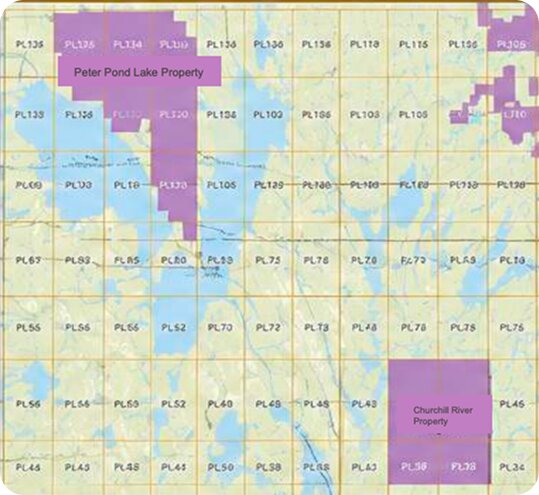
The Kingdom Project covers 105,312 hectares (260,232 acres) of mineral rights across two properties in northwest Saskatchewan: Peter Pond Lake and Churchill River. Both sit within the Mannville Sand Formation, one of the province’s most prospective heavy mineral sands belts, with highway and forest road access to both project areas.
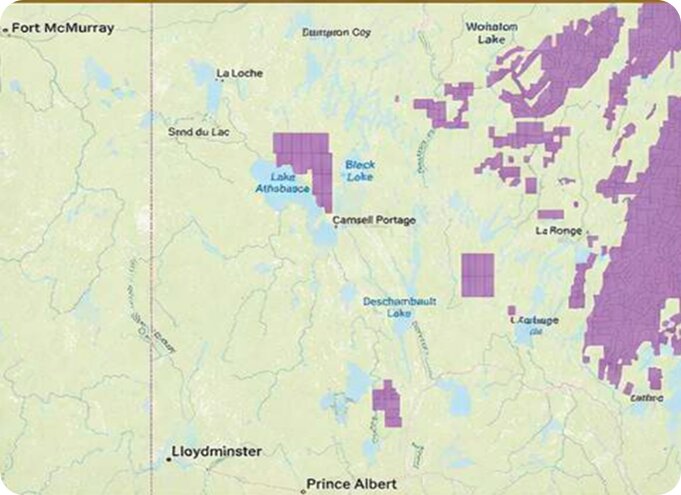
Historic drilling by Shell Oil, AGIP, and DMR tested ground across both of Northern Kingdom’s properties, confirming long-standing industry interest in the Mannville Sand Formation. These programs provide a foundation of geological data that Northern Kingdom is now building on, with multiple drill-confirmed targets across the land package.

Saskatchewan is one of Canada's most established resource-producing provinces, with decades of experience developing and supporting major projects across uranium, potash, oil and gas, and other minerals.
For the Kingdom Project, that established resource ecosystem provides important advantages:

Saskatchewan operates within Canada's established legal and regulatory framework and has a long track record of resource development.

The province has extensive experience permitting, developing and operating large-scale resource projects.

Roads, power and transportation infrastructure provide a foundation for exploration and future development.

Saskatchewan is positioning itself as a significant North American source of critical minerals needed for energy, defense and advanced manufacturing.

The project is located in Canada, providing exposure to growing demand for secure and diversified mineral supply in North America.
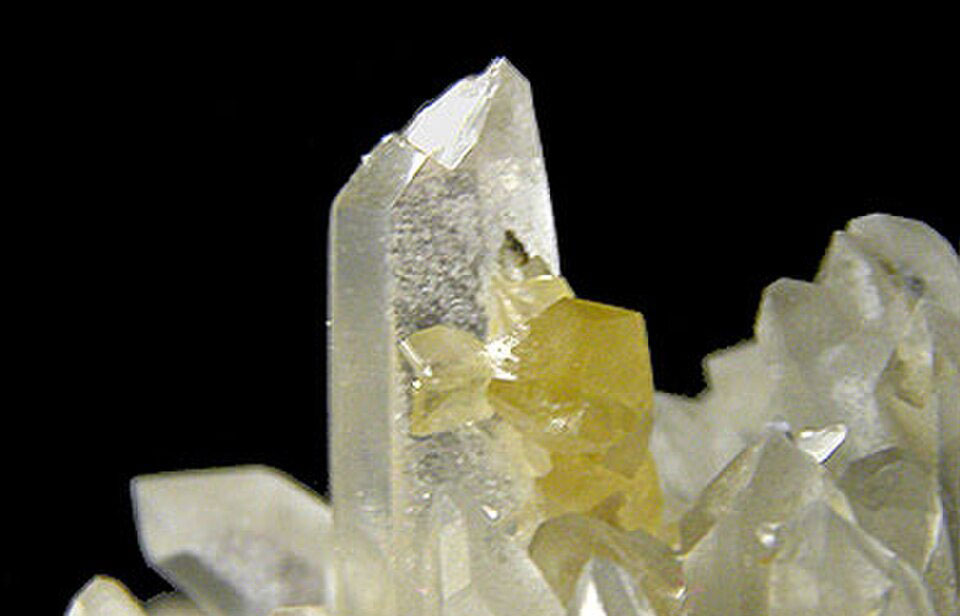
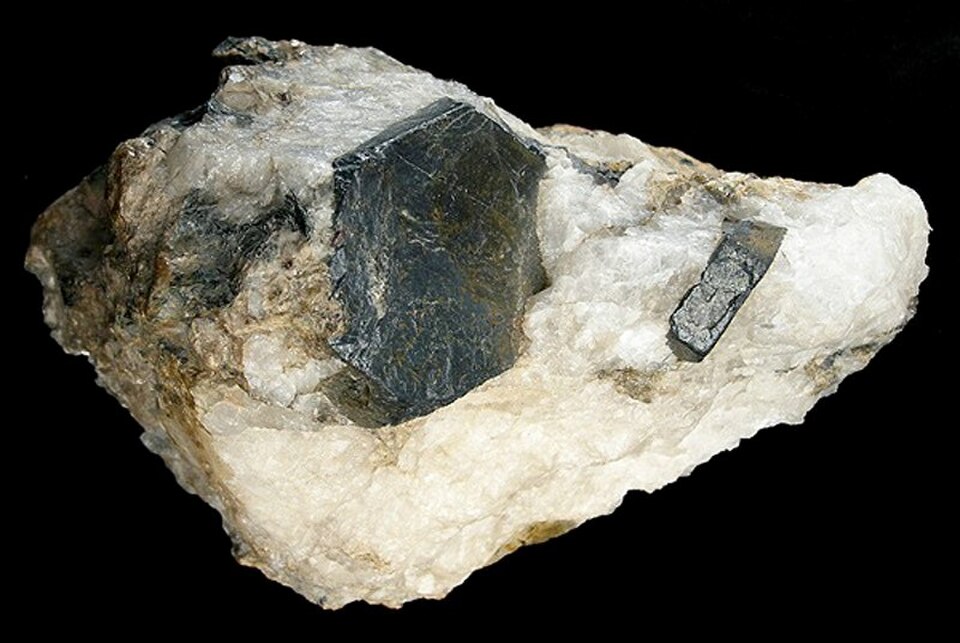
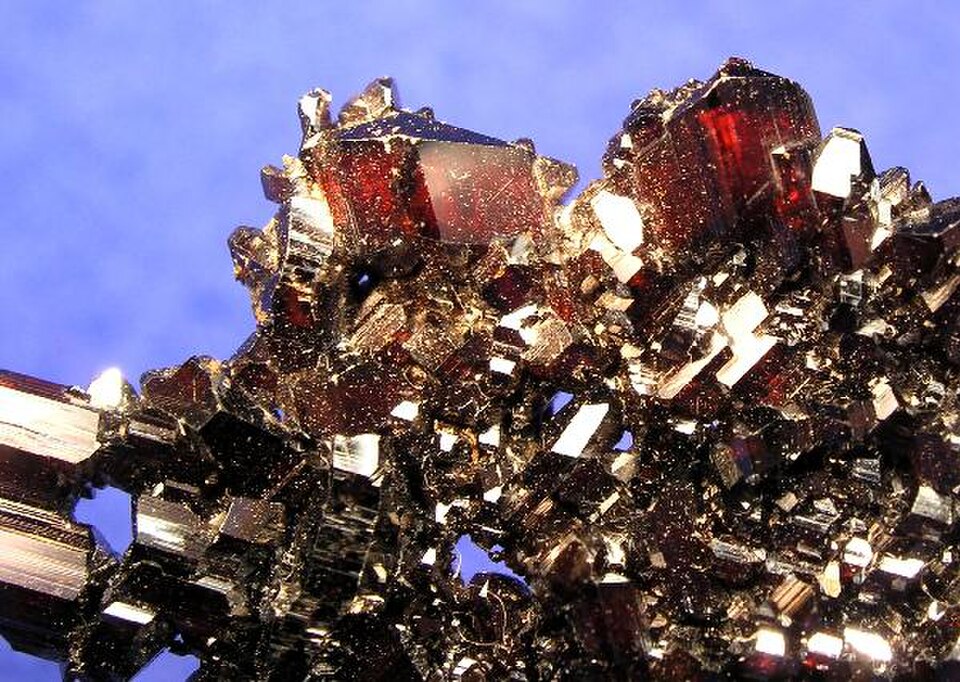
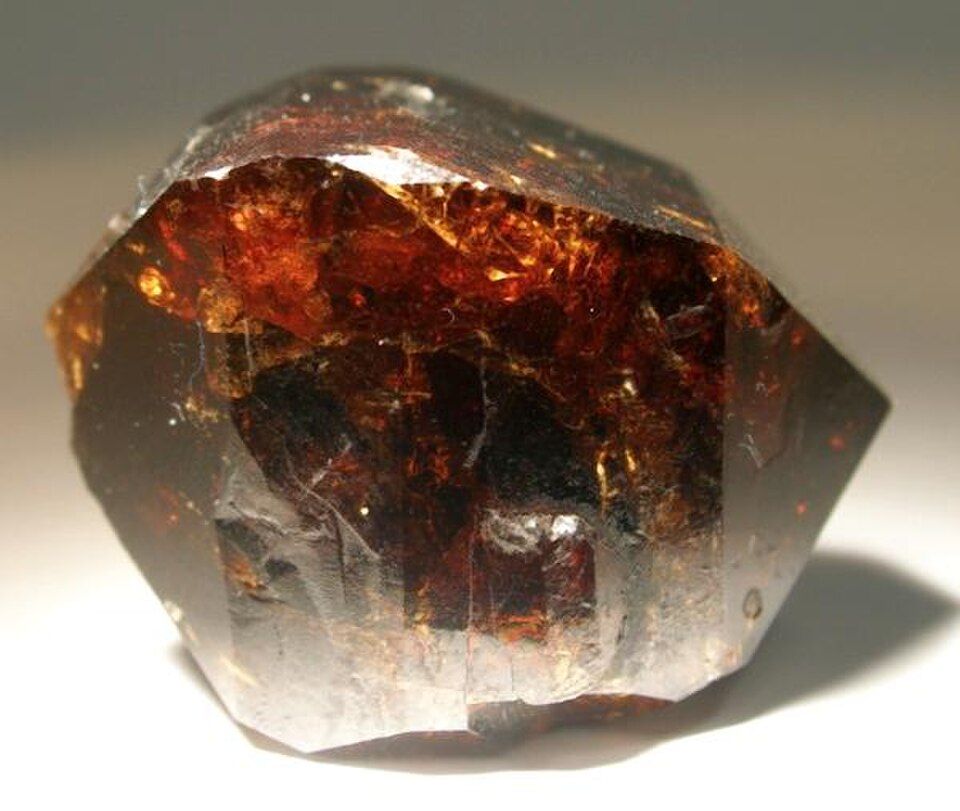
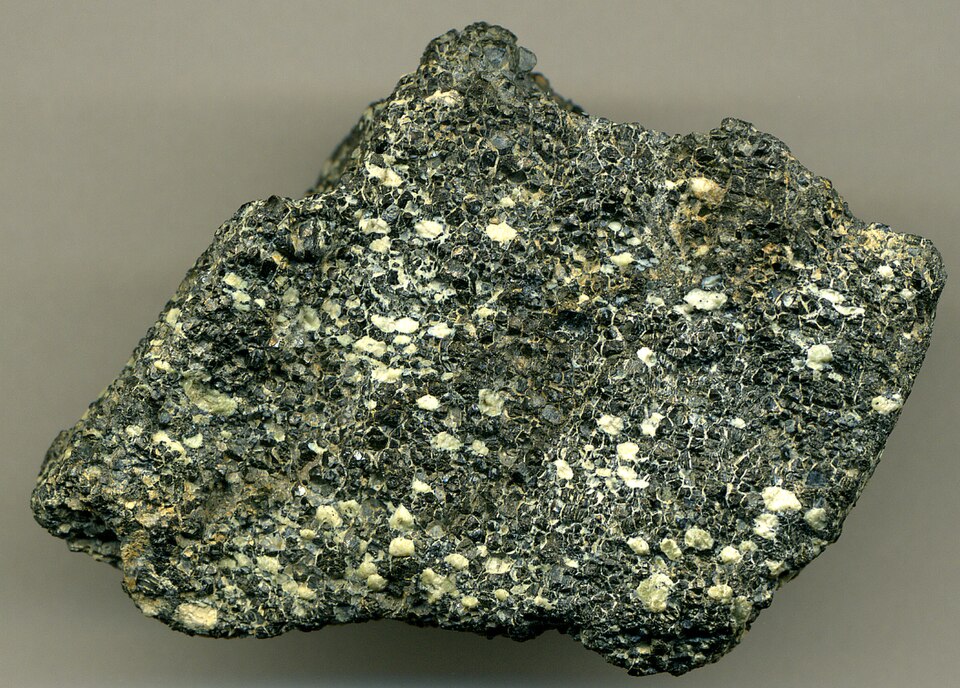
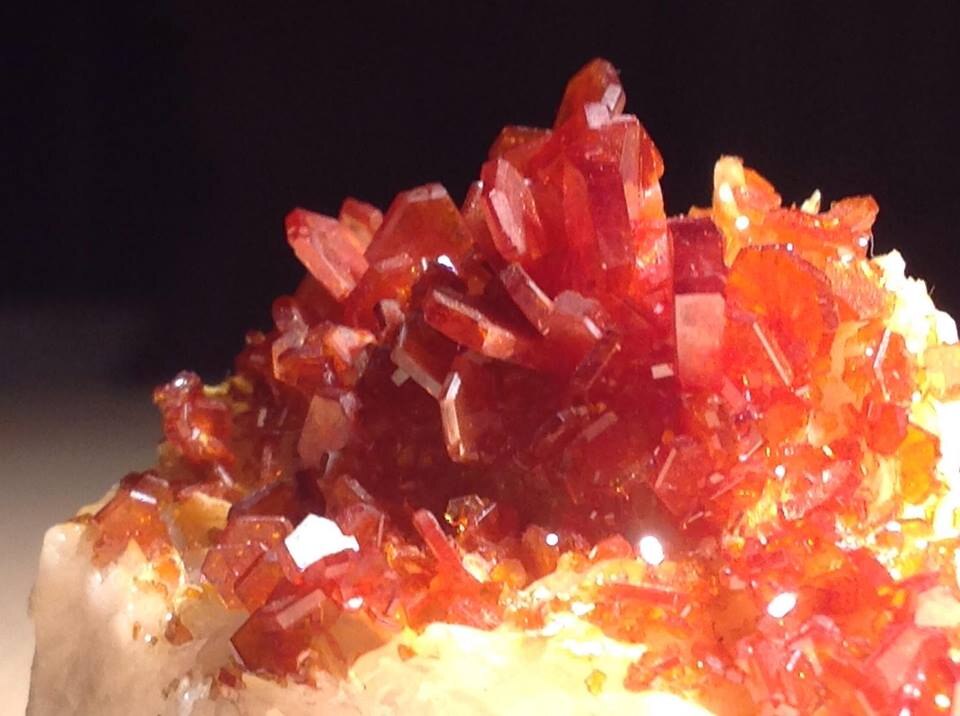
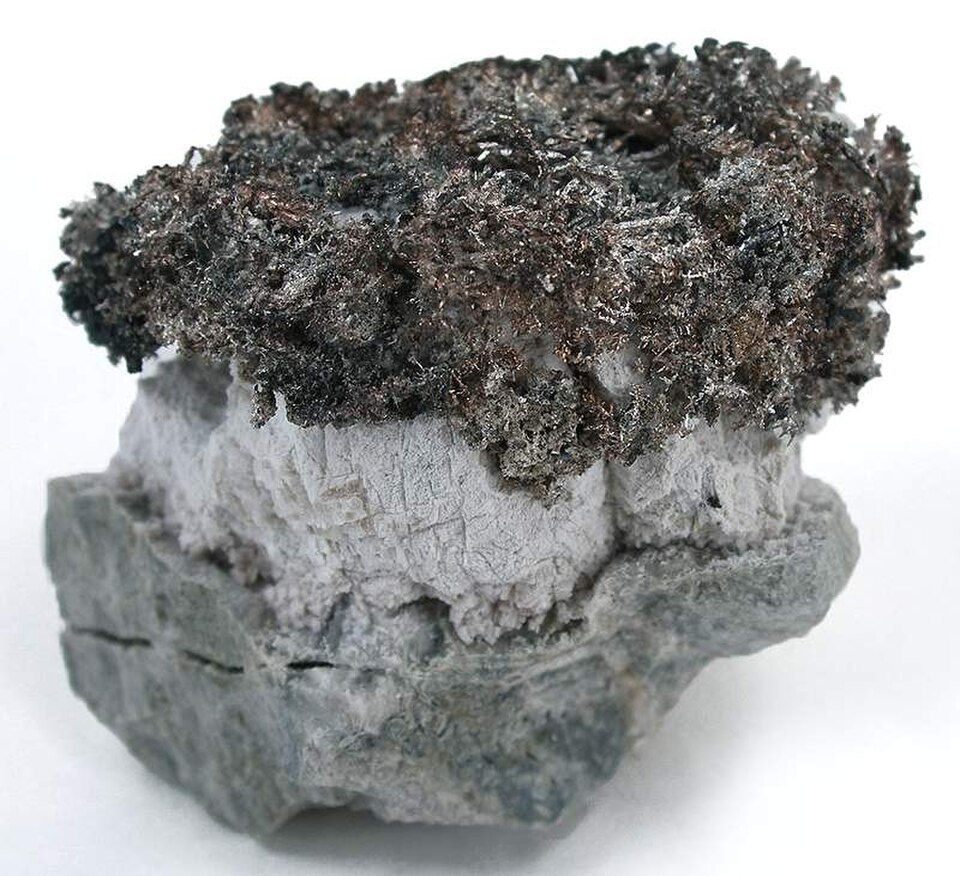
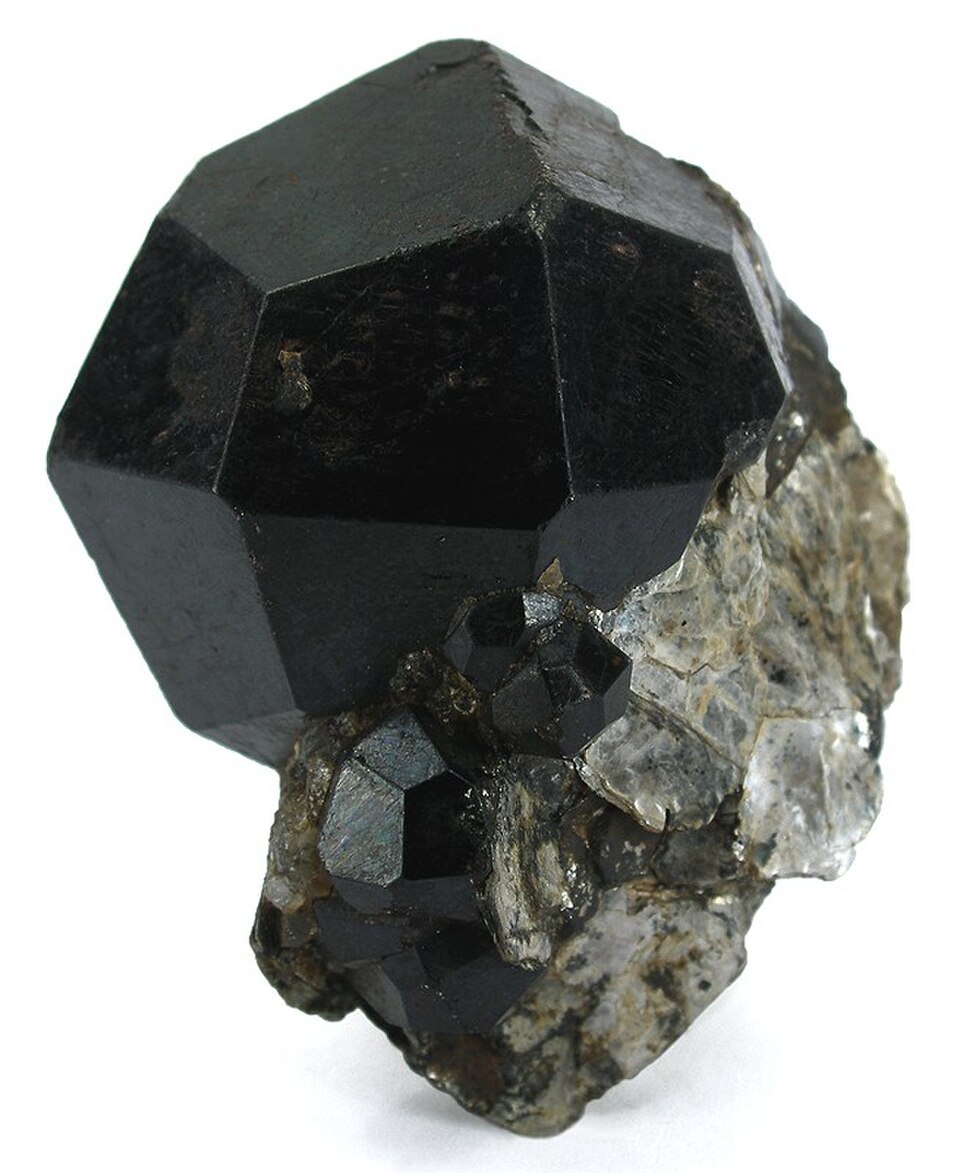
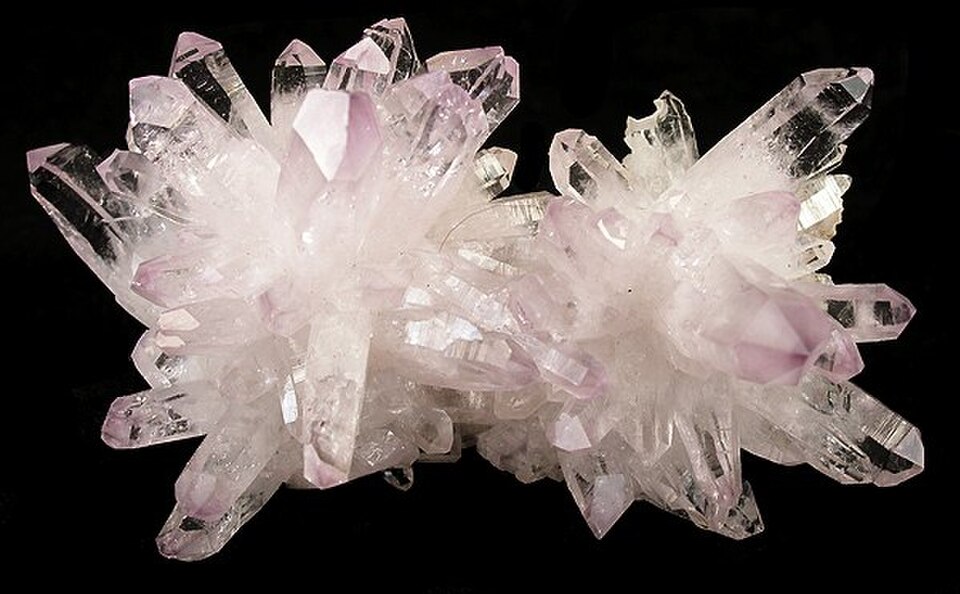
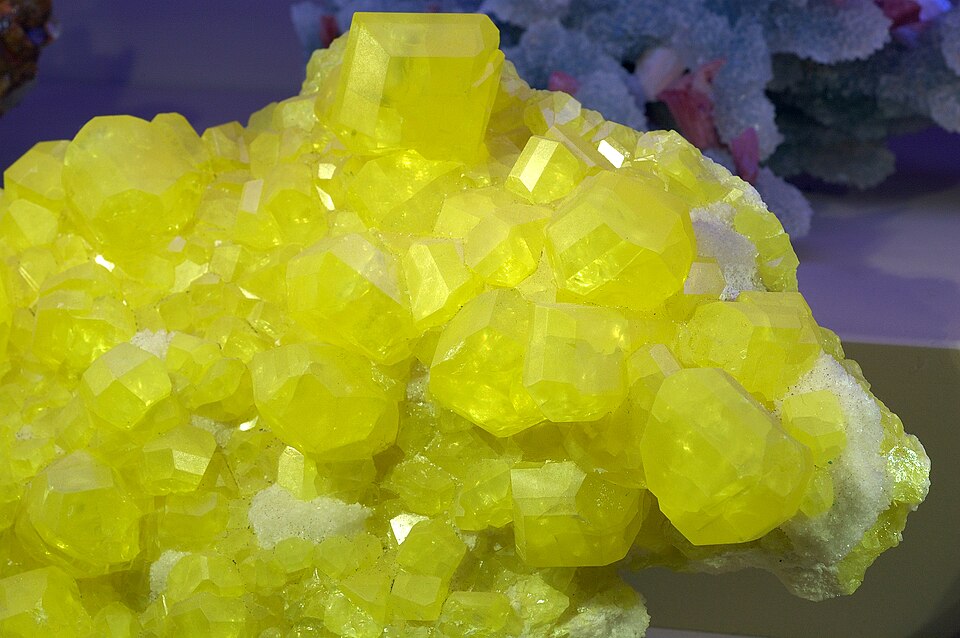
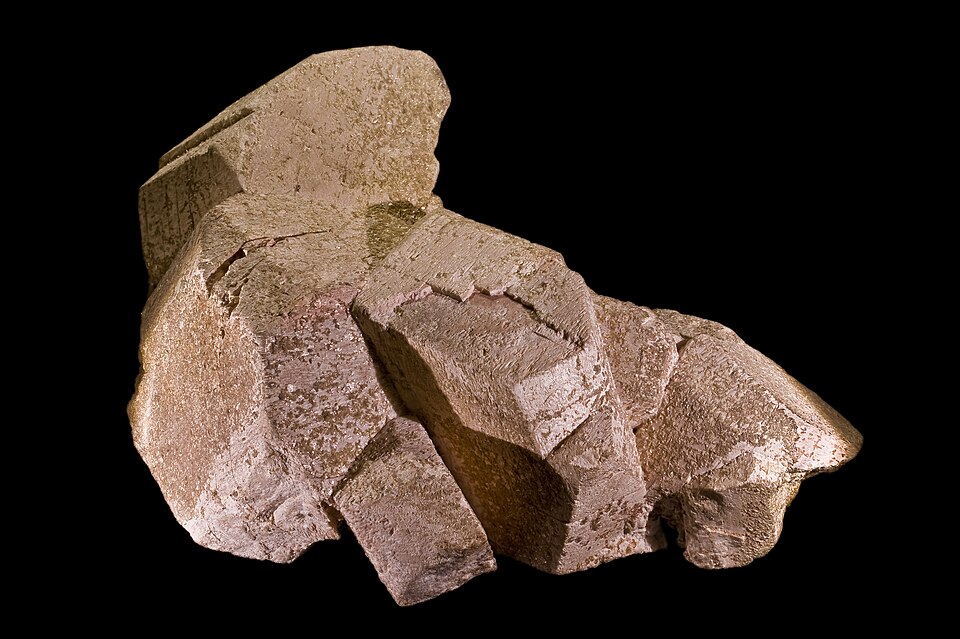
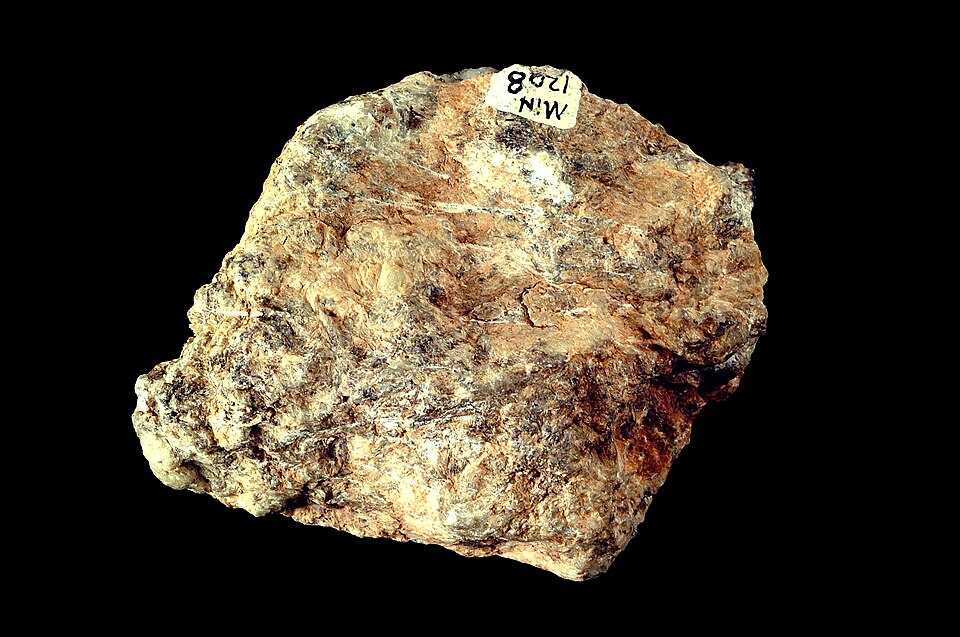
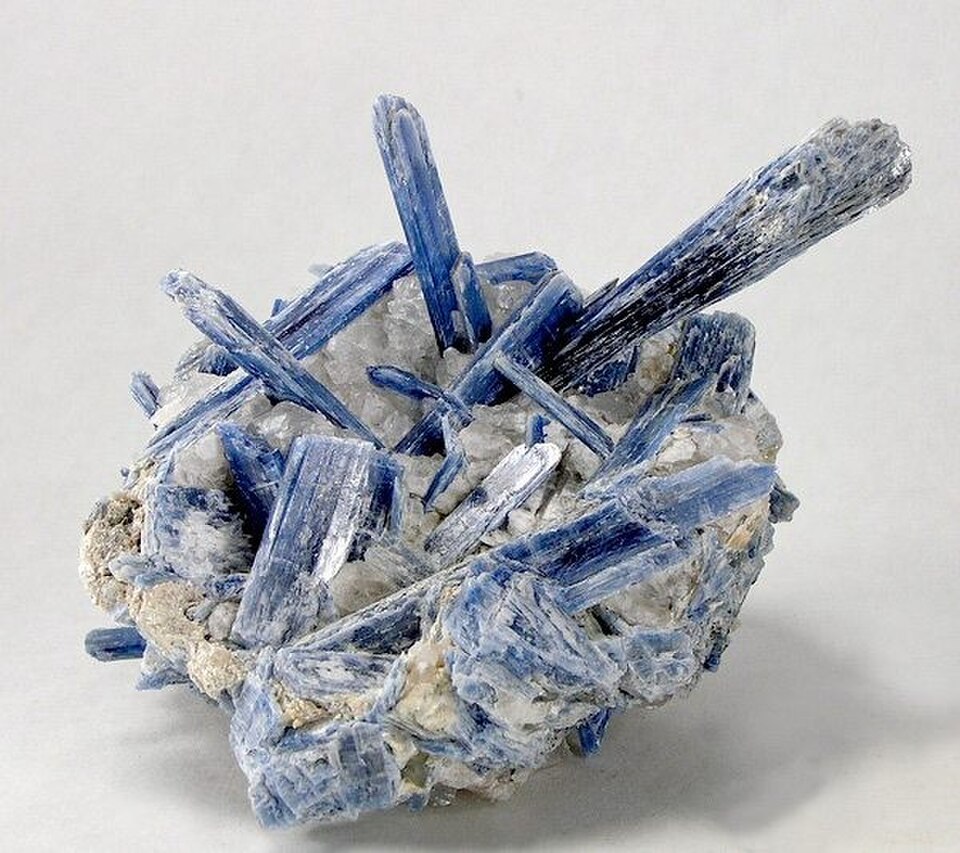
The Kingdom Project sits within the Mannville Sand Formation, hosting monazite, ilmenite, rutile, zircon, garnet, quartz, tourmaline, sulfur, feldspar, sillimanite, kyanite, andalusite and lithium in illite clay, along with gold, silver, chromium, scandium and vanadium identified across various areas of Saskatchewan.
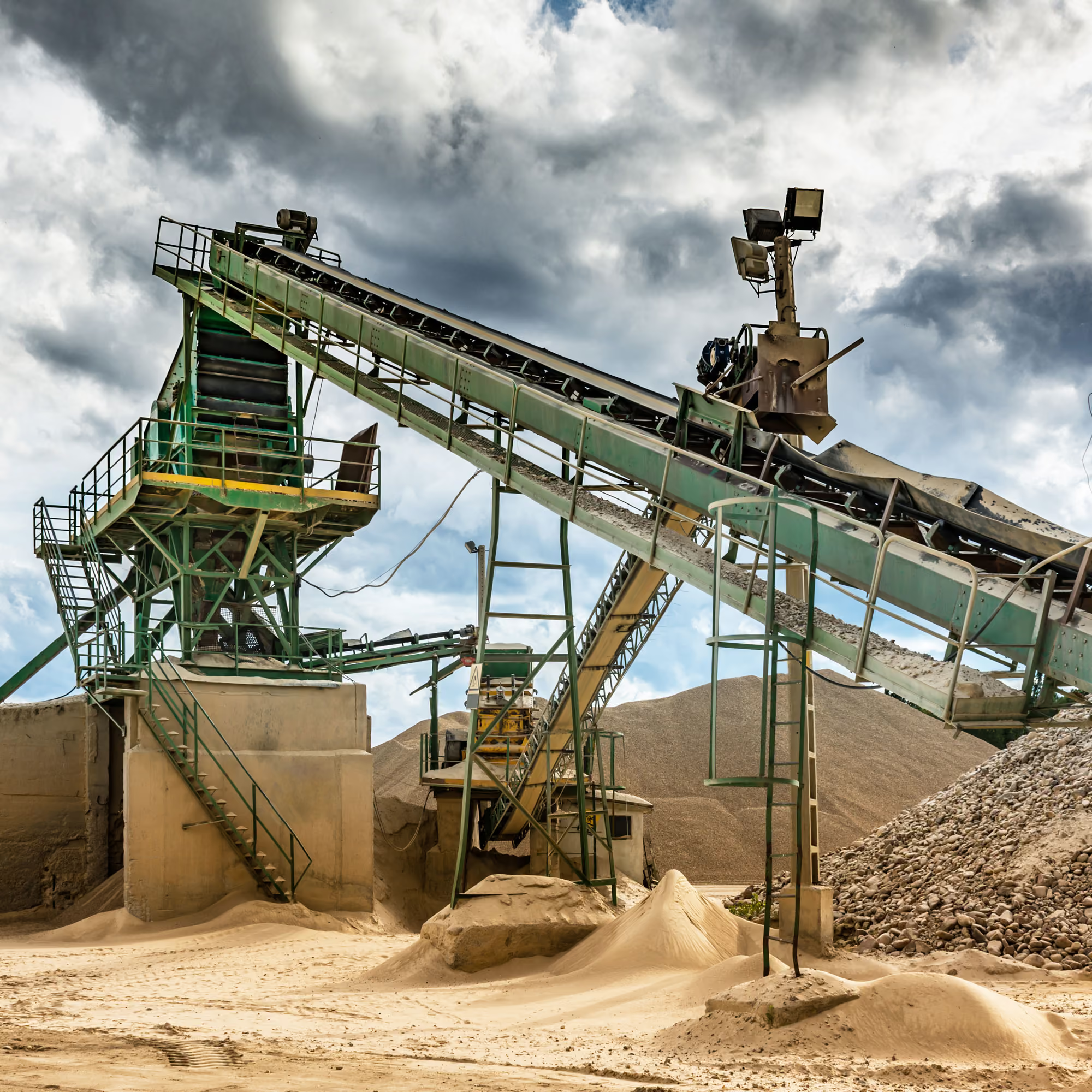
The shallow, sand-and-gravel-hosted nature of the deposit presents a fundamentally different development profile from a conventional hard-rock mine and may provide opportunities for a streamlined development approach.
Northern Kingdom controls more than 105,000 hectares (260,000+ acres) of mineral rights across two properties in the Mannville Sand Formation: Peter Pond Lake and Churchill River.
The scale of the land package provides substantial room for continued exploration and potential resource expansion.
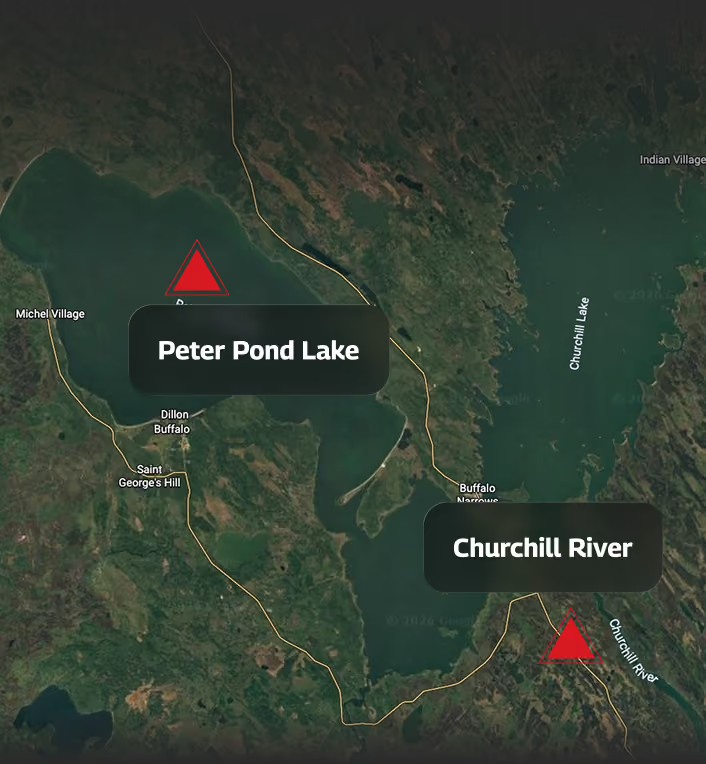
Accessible by highway and forest road, connected to power, and within reach of rail service at Meadow Lake. Located near the community of Buffalo Narrows.
Road access and existing power infrastructure supporting exploration activities today, while providing a strong foundation for future project development.


Demand for critical minerals is accelerating as North America invests in clean energy, AI and data centre infrastructure, advanced manufacturing and national security.
These trends are increasing the importance of reliable and diversified sources of the materials required to build modern infrastructure and technologies.
The Kingdom Project's mineral portfolio includes materials with applications across defense, aerospace, nuclear energy, energy storage, advanced manufacturing and digital infrastructure.
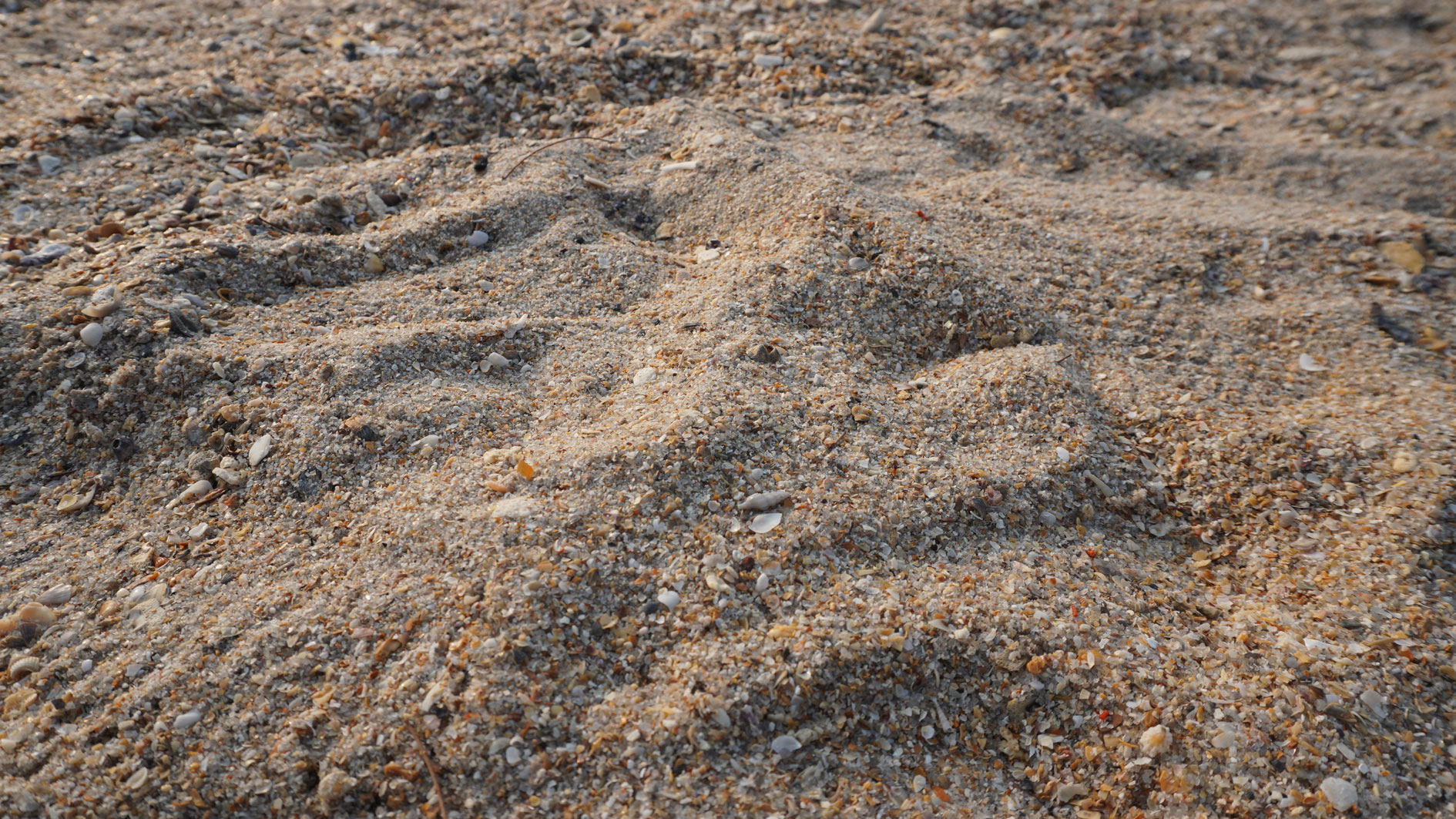

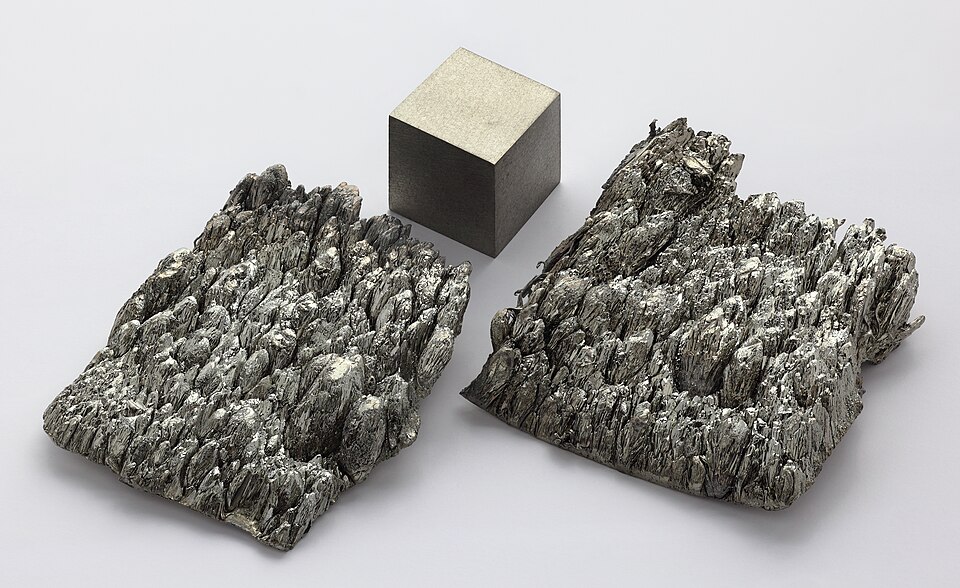
Titanium is widely used in aerospace and defense manufacturing, including aircraft structures, engine components, landing gear and fasteners.

Zirconium is an important material in nuclear energy, including its use in nuclear fuel applications.

Such as neodymium, dysprosium and praseodymium are essential to high-performance permanent magnets used across advanced technologies and digital infrastructure.

Scandium can be alloyed with aluminum to produce lightweight, high-strength materials with applications in aerospace and defense.

Lithium is a key input for batteries and grid-scale energy storage, supporting the broader electrification of energy systems.



Forward-Looking Statements
This website contains forward-looking information, including statements about planned exploration, development timelines, mineral potential, and future operations. These statements are based on assumptions that may prove incorrect and are subject to known and unknown risks and uncertainties. These include risks related to exploration and development, commodity prices, regulatory changes, and the uncertainty of mineral estimates, many of which are beyond the company’s control. Actual results may differ materially. Readers should not place undue reliance on forward-looking information.